Six Bottles, Three Plates, One Warm Jug: A Village Christmas Table for 2026

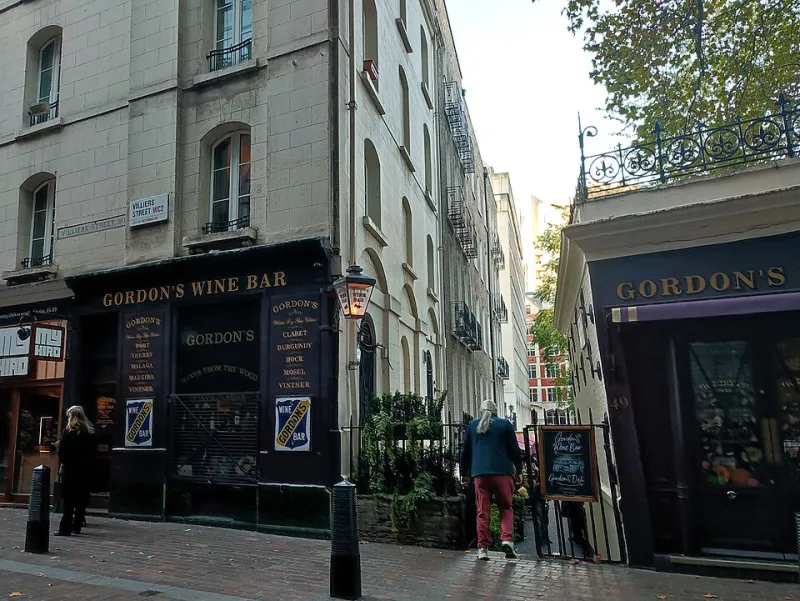
Photo: PattayaPatrol, CC BY-SA 4.0, via Wikimedia Commons
There is a moment in early December when the village stops pretending it isn’t Christmas. The lights go up outside the shop, someone’s dog appears in a Santa hat, and the first request for mulled wine lands on the bar. At The Village Wine Bar, we like festive drinking to feel like a good local evening rather than a tasting exam. So here is our 2026 Christmas table: six bottles, three small plates, and the warm jug that starts it all. Nothing needs a decanter the size of a church font. Most of it can be done ahead, and none of it requires you to explain the difference between malolactic fermentation and a milk round.
Start with the jug, not the lecture
Mulled wine has a bad reputation because it is often made with wine that was already tired and spices that are boiled into submission. Our house formula is simple: two bottles of juicy, inexpensive red — a Spanish Garnacha or a soft Portuguese blend works well — one sliced orange, a strip of lemon peel, 80–100g demerara sugar, six cloves, two cinnamon sticks, two star anise, one bay leaf and a few black peppercorns. Add 100ml brandy if you fancy it, but it is not essential. Warm gently to around 60–70°C, never boil, and give it twenty minutes to infuse. Taste before serving; if it needs a lift, add a squeeze of orange rather than more sugar.
Make it a day ahead, chill it, then reheat slowly. It is also the best non-drinking option on the table: the same spices warmed through cloudy apple juice with a splash of black tea gives everyone something to hold. This is the smell that gets people through the door. Put the jug on before the doorbell goes and the evening has already begun.
Six bottles from fizz to fortified
You do not need all six open at once. But a festive table benefits from a short, flexible list that can move from arrival to pudding without a committee meeting.
1. English sparkling wine. A Kent or Sussex fizz is the obvious local hero, though a Crémant de Loire is a sensible budget stand-in. Serve it cold with the first arrivals and something salty. By the glass, keep it to a modest pour and let the bottle do the talking.
2. Off-dry Chenin Blanc or Riesling. A touch of sweetness is brilliant with smoked fish, salty ham and anything with a bit of richness. Look for a Vouvray or a German Riesling at around 10–14 pounds. By the glass, this is the one that surprises people who think they only like red.
3. Gamay or Beaujolais-Villages. Chill it lightly, put it next to the pigs in blankets and watch it disappear. It is flexible, juicy and not remotely precious. A good village wine-bar red for people who claim they do not like red.
4. A peppery Douro red or Syrah. This is the bottle for the darker, stickier parts of the table: sausage rolls, mushrooms, anything with mustard. It should have enough grip to stand up to food without turning the evening into a lecture about tannin.
5. A sweet wine in a half bottle. Late-harvest Chenin, Tokaji or a small Sauternes is enough. Pour it with blue cheese, mince pies or both. A half bottle is the sensible village move: enough for six small glasses, not enough to become a problem.
6. Ruby port or oloroso sherry. The fortified finish. Port is the crowd-pleaser with cheese and chocolate; oloroso is the savoury, nutty option for anyone who wants less sugar. This is the bottle that keeps the table talking after the plates have been cleared.
If you are buying for eight, two bottles of fizz, two whites, two reds, one sweet and one fortified is a generous, sensible spread. The by-the-glass list can be shorter than the shelf.
Three plates that earn their butter
Festive food at a village wine bar should not trap the host in the kitchen. Three plates, done properly, are better than twelve plates done anxiously.
Smoked trout on brown bread. Good brown bread, a little butter, flaked smoked trout, dill, lemon and black pepper. Assemble the bread base ahead, but dress the trout at the last minute. It loves the fizz and the Chenin.
Pigs in blankets with honey mustard. Make them the day before, reheat in a hot oven and serve with a dish of honey mustard. For a vegetarian version, roast mushrooms and chestnuts with the same glaze. These are made for the Gamay and the Douro red.
Blue cheese, quince and oatcakes. A wedge of something local and punchy, a spoonful of quince or fig, oatcakes and a few walnuts. No cooking, no stress, and it gives the sweet wine and port somewhere to go.
That is the whole menu. Add a bowl of olives, a dish of nuts and a plate of mince pies if you must, but keep the centre of the table simple.
By the glass, by the budget
A village Christmas should not require a second mortgage. Mulled wine by the glass, a house white and a house red, one fizz and one fortified is enough to make people feel looked after. Keep a chalkboard note by the bottles: what it is, what it likes to eat, and what it costs. If someone wants a glass of the good stuff and a plate of cheese, they should be able to have it without buying a bottle.
For a party of ten, six bottles and three plates can come in around 90–120 pounds depending on the fizz. Ask guests to bring a bottle if that helps. The bar’s job is to make matching easy and generous, not expensive.
A make-ahead Christmas
Two days before, make the mulled wine base and chill it. The day before, prepare the pigs in blankets and take the cheese out of the fridge only when you need it. On the day, warm the wine, toast the bread, flake the trout and put the oatcakes on a plate. That is it. A village Christmas is not a restaurant service; it is a table with a warm jug on it and enough chairs pulled up.
If you need one rule for 2026, make it this: start with mulled wine, end with port, and keep the middle generous.