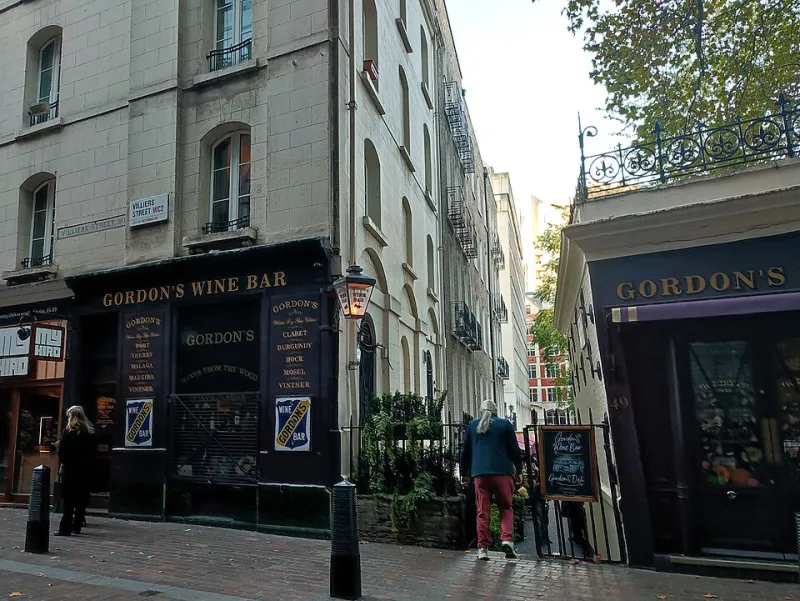
The Everyday Pour: Why a House Red Deserves Better Than ‘Cheap and Cheerful’
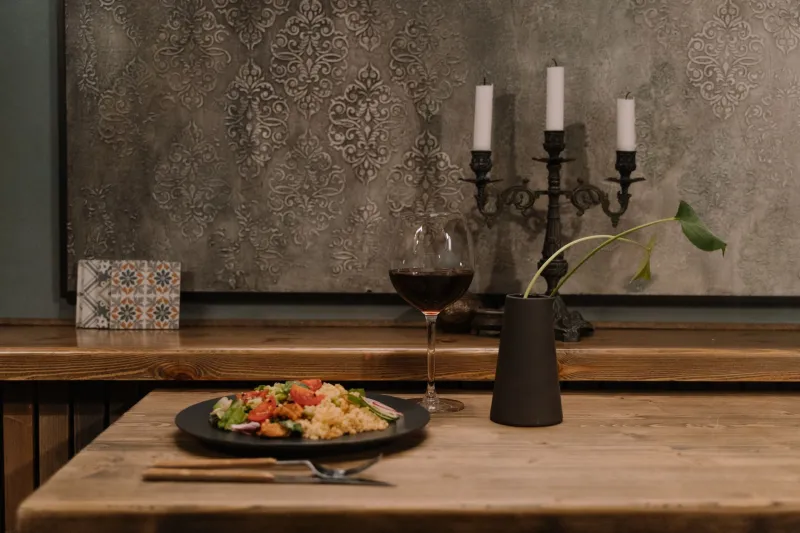
At The Village Wine Bar, the house red is not the bottle we hide at the bottom of the list. It is the one that has to work hardest. It has to be good on a wet Tuesday, with a bowl of something hot, without ceremony. It has to make sense by the glass, by the bottle, and beside a plate of sausages and lentils. And it has to do all that without making anyone feel they have ordered the ‘cheap option’.
That is the house red rule, really: the everyday pour is not a compromise. It is infrastructure.
The £9.50 question
People see £9.50 on a wine list and assume something has been given up. Sometimes they are right. But a well-chosen £9.50 red can be more interesting than a dull £25 bottle, and it can sit proudly next to a £40 Burgundy because the two are doing different jobs. The Burgundy is the treat. The £9.50 red is the reason you come back next week.
In the UK, by the time you have paid duty, glass, rent, wages and the rest, £9.50 does not leave a lot for the juice. That is exactly why selection matters. A house red should not be the cheapest thing we can get away with. It should be the best thing we can stand behind at the price.
What we look for in an everyday village red
1. Drinkability before complexity
A house red has to pass the second-glass test. The first sip can be impressive, but the second glass tells you the truth. Is it fresh? Is it tiring? Does it make you want another sip, or another coffee? We want a wine that is easy without being empty. That usually means moderate alcohol, decent acidity, gentle tannin and fruit that tastes like fruit rather than a flavouring.
2. Food first, always
A village wine bar is a place where wine meets plates. The house red needs enough acidity to cut through a sausage, enough tannin to handle roast leftovers, and not so much grip that it fights a tomato sauce. It should be comfortable with garlic, thyme, mushrooms, lentils and a bit of fat. If it only works on its own, it is not a house wine. It is a shelf wine.
3. Value you can taste
Value is not just a number. A £9.50 red should taste as if someone chose it, not as if a spreadsheet chose it. We look for character at the price: pepper, fresh fruit, a bit of earth, a clean finish. A wine can be simple and still be honest. What it cannot be is boring.
4. Consistency, not boredom
A house red is a promise. The same wine, the same mood, month after month. We do not want a vintage gamble in the everyday pour. We want reliability. But reliability is not the same as dullness. The best house wines have a house style: something recognisable that makes you feel you are in the right place.
5. A sense of somewhere
A house red does not need a famous postcode, but it should taste like it comes from a place. A Bobal from Utiel-Requena should have dark plum and a dusty edge. A Sicilian Nero d’Avola should taste of black cherry and dried herbs. A basic Côtes du Rhône should have pepper and red plum and a little scrubby tannin. These are not grand wines. They are true wines.
6. It has to work by the glass
This is the practical bit. A bottle opened at 6pm on Tuesday may still be pouring on Thursday. The house red needs to hold its shape for a couple of days. That usually means freshness, moderate alcohol and no clumsy oak. If a wine collapses overnight, it is not a house wine — it is a one-night-only wine.
Three everyday reds we would happily put on the list
These are styles rather than a shopping list, but they show what under £12 can do.
Bobal from Utiel-Requena, Spain — around £9.50. Dark plum, cocoa nib, a fresh streak of acidity and a dusting of tannin. It is brilliant with chorizo, lentil stew or a plate of roasted peppers. Not complex, but generous and alive.
Nero d’Avola from Sicily — around £10.50. Black cherry, dried oregano, a soft grip. It loves tomato pasta, aubergine and anything with a bit of olive oil and garlic. A proper food wine that happens to be lovely on its own.
Côtes du Rhône or Côtes du Rhône Villages — around £11. Red plum, black pepper, scrubby tannin and a warm, savoury finish. This is the Sunday-roast-leftovers red. It also handles sausages, mushrooms and a bit of hard cheese without blinking.
The house red is a handshake
When you order the house red in a village bar, you are not asking for the cheapest wine on the list. You are asking for the one the bar believes in. You are asking for a glass that says: sit down, stay a while, there is food coming.
That is why we defend the everyday pour. The special-occasion bottle has its moment, and we love it. But the house red is the wine that makes a village wine bar feel like a village wine bar. It should be chosen with care, poured with confidence and priced so that a second glass is not a decision.
A £9.50 red can sit proudly next to a £40 Burgundy. It just has to know what it is there for.