A Little Bottle Goes a Long Way: In Praise of the 375ml Pour
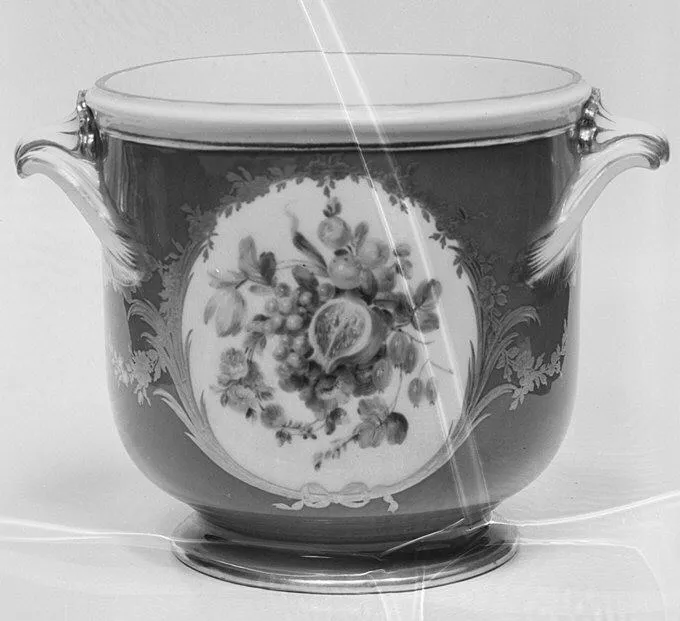
Photo: Manufacture nationale de Sèvres, CC0, via Wikimedia Commons
It's twenty to eight on a Thursday and the corner table has reached the point every wine bar knows well. One of them fancies a glass of white. The other has been eyeing up a red since they came through the door. A full bottle of either would be a mistake: too much for one of them, not the right thing for the other, and a taxi home with half of it rolling about in the footwell.
This is the moment the half-bottle was invented for. Not as a compromise. Not as a child's portion. And certainly not as the sad little shelf behind the till where unloved wines are sent to think about what they've done. The 375ml bottle, and the honest 125ml pour alongside it, are quietly the most sociable things on the bar.
The arithmetic nobody wants to do at the table
A standard bottle is six glasses if you're being polite and four if you're being truthful. That's a lovely number for a Sunday lunch with the neighbours. For two people on a damp Tuesday, it's a decision about how the evening ends before the evening has properly started. Do you commit to the whole thing and feel it in the morning? Order by the glass, and watch the second glass arrive from a bottle that's been open since God knows when?
A half-bottle gives you two generous glasses and a top-up, or three proper ones if you're taking your time. It fits the shape of a real evening, which is rarely a straight line. You might want a white with the cured meats and a red with the cheese. You might want one glass now and one later. A small bottle lets the evening breathe instead of locking it in.
Small doesn't have to mean stingy
There's a reason halves have a reputation problem, and it isn't the wine. It's the way they're often sold: two tired reds, a Pinot Grigio and something described on the board as 'house white'. That's not a format, that's a filing cabinet.
Generosity in a wine bar has very little to do with volume. It's about care. A half of something interesting, poured into a proper glass at the right temperature, with someone on hand to tell you where it came from, feels far more generous than a cheap magnum thumped down on the table. The trick is that the half-bottle list should have the same curiosity as the full-bottle list. Same producers, same regions, same slightly obsessive notes on the chalkboard. Just in a smaller package.
If a bar trusts you to know how much you want to drink, you tend to rise to it. Punishing people with a stingy list is how you end up with a room full of half-finished bottles and nobody quite happy.
What earns a place on the list
Not every wine behaves well in a smaller format, and some styles simply make more sense in a half. The ones that work hardest for us are the ones that stay lively once opened and don't need an hour in a decanter to get going.
Whites worth halving
Crisp, high-acid whites are made for this: Chablis, Picpoul de Pinet, Muscadet, a dry Riesling from the Mosel. They're alert, they're food-friendly and they don't sulk after a day in the fridge. A half of Chablis with a plate of something salty is one of the small, reliable pleasures of a village evening.
Reds that don't need an argument
Light reds thrive here. Gamay, a delicate Pinot Noir, a juicy Cinsault or a Frappato that tastes of sour cherries and doesn't take itself too seriously. These are wines you can open, pour and enjoy without a lecture. Big tannic bruisers are better in company and in full bottles.
The fizz, the sherry and the sweet stuff
A 375ml of crémant or Champagne is a genuinely useful thing: one proper glass of something celebratory without the whole rigmarole of a full bottle between two people who have to be up early. Fino and manzanilla in halves are a gift to the solo drinker, and a half of Sauternes or tawny keeps far longer than anyone expects, which means you can offer a small glass at the end of a meal without opening a bottle you'll bin in a fortnight.
The plate question
Bar plates are small by design, and the wine should follow. Salted almonds and olives want something dry and saline: fino, or a bone-dry white. A cheddar toastie wants acidity to cut through it, so a Loire Sauvignon or a light red served cool rather than warm. Cured meats and a Gamay are old friends. Mushrooms on toast, that autumnal staple, sit happily with a gentle Pinot.
The half-bottle makes this kind of mixing and matching possible. Two people can share a white with the first plate and a red with the second, and finish neither of them feeling overdone.
The waste question, honestly
Bottles by the glass are a lovely idea until you've tipped three-quarters of a Friday-night Chenin down the sink on Sunday. Halves cut that waste dramatically without cutting the atmosphere. A half poured and finished is a fresher thing than a bottle that's been open since Tuesday, and the bar saves money it can put back into a better list.
But don't let anyone sell you the half-bottle purely as thrift. That's the least interesting reason to do it. The interesting reason is that it changes how people drink. It's the late top-up when you fancy one more but not a whole one. It's the solo drinker with a book and a dog who wants something decent rather than a token glass. It's three halves between four people as an improvised tasting, each bottle a different corner of the wine map.
A note for anyone writing the list
If you're building halves into a bar, don't price them as a penalty. Sixty-five per cent of the full bottle price tells customers you'd rather they didn't bother. Somewhere around fifty-five to sixty is fairer and sells better. Keep the same wine available in both formats where you can, chill the halves as carefully as the big ones, and put them on the board where people can actually see them rather than on a bottom shelf.
Above all, serve them in the same glasses. A half poured into a thimble is a message, and the message isn't a warm one.
The lane goes quiet around nine in November. The fire's on, the plates are coming out, and the last table is debating whether to call it a night. Half the time they don't, and the half-bottle is why: a small pour, another twenty minutes, one more story before the coats go on. That's not a compromise. That's the whole point.