The Wet Dog Table: Setting Out the Après-Walk Pour
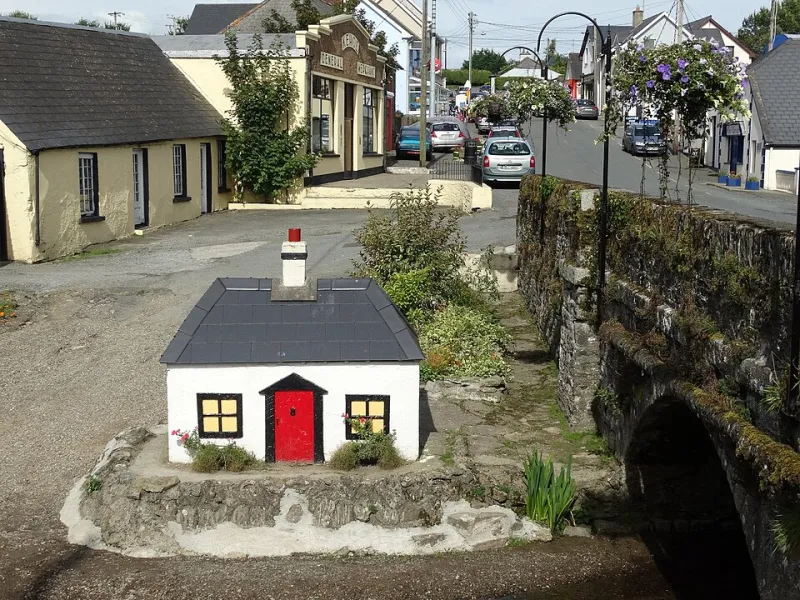
Photo: Hywel Williams , CC BY-SA 2.0, via Wikimedia Commons
There is a particular kind of November afternoon that ends with wet leaves stuck to your boots and a dog trying to shake itself dry in the porch. You have been out for two hours, maybe three, over the stile and along the ridge, past the gate that always sticks and the field that always lies about how firm it is. Your hands are cold. Your legs have that pleasant heavy feeling. And the last thing you want is a wine list that feels like homework.
The village wine bar should be the natural final stop on a weekend walk. Not a detour, not a reward for having clocked a certain number of miles — just the place where the lane ends and the kettle-ish clatter of glasses begins. That means thinking about the après-walk pour properly: short, bright, unfussy and built for people who are still in walking trousers.
The last stop should feel like the last stop
A good walking pub understands that mud is not a moral failing. The same goes for a village wine bar. If the sign on the door says walkers welcome, the welcome has to reach beyond the mat. Somewhere to park a pair of boots. A hook for a coat that has seen better days. A bowl of water for the dog, and perhaps a biscuit for the dog who has mastered the art of looking bereaved. None of this is glamorous. All of it matters.
The point is not to be scruffy for the sake of it. It is to remove the small friction that makes people decide to drive home instead. When the bar feels like the last room of the walk — warm, a bit steamy at the windows, smelling faintly of soup and clean glassware — the glass in your hand tastes better. That is not romance. It is just hospitality.
A short list, not a sermon
An après-walk wine list should be the opposite of a collector’s cabinet. Six wines is plenty. Maybe seven if one of them is a sherry or a vermouth for the person who has genuinely earned it. The aim is not to show range. The aim is to make choosing easy when your fingers are still cold.
Start with two or three bright whites. Picpoul de Pinet is the obvious hero: lemon-brisk, saline, the sort of wine that seems to have been designed for a plate of salted crisps after a long walk. A dry Riesling works beautifully if you want something with a little more shape. Albariño is another good shout — peachy but fresh, happy with seafood, happy with nothing at all. Keep them properly chilled. Not frozen. Just cold enough to make the first sip feel like a small event.
Then give the reds a light touch. This is not the moment for a brooding Syrah or a tannic Bordeaux. Reach for Gamay, Beaujolais-Villages, a young Pinot Noir, or a Loire Cabernet Franc with a bit of crunch. Serve them slightly cool. A chilled light red is one of the great unsung pleasures of a damp afternoon: it refreshes rather than weighs you down, and it sits happily beside a sausage roll or a bowl of chips.
If you want one wildcard, make it something pale and curious — a skin-contact white, a light vermouth, a dry amontillado. Not to be clever. Just to give the regulars something to talk about while the dog settles under the table.
Three plates that earn their place
Après-walk food should not ask for a knife and fork unless it really needs one. It should be warm, salty, generous and quick to leave the kitchen. A bowl of soup with bread. A toastie with proper cheddar and something sharp in it. A sausage roll that is more sausage than roll. A wedge of soft cheese with oatcakes and chutney. A dish of olives that is close enough to the elbow to be dangerous.
The pairing logic is simple. Bright white with salty, fried or cheesy things. Chilled red with sausage, mushrooms or a bit of game. If the soup is lentil or squash, a dry Riesling or a light red both work. If the soup is chicken and barley, go red. If in doubt, ask for a small glass of both and call it research. No one at the wet-dog table will judge you.
The muddy-boot test
A useful way to design the list is to imagine the person who has just come in from the footpath. They are not browsing for a bottle to take home. They are cold. They may be damp. They want a glass of something that makes their shoulders drop. They want to sit near the radiator, or at least not be told the radiator table is reserved for diners.
That does not mean the bar cannot be smart. It means the smartness should be in the welcome, not in the performance. A chalkboard with six wines and a line of short descriptions will do more than a leather-bound list. “Brisk, salty, good with chips” is useful. “A wine of tension and mineral drive” is not, unless you are trying to make someone order a pint instead.
What the walk is for
The walk is not really the point. The point is the stitching together of a Saturday: the cold air, the conversation that only happens when you are side by side on a path, the dog doing something unwise in a ditch, the moment you push open the door and the room smells of lunch. The glass is just the punctuation.
So build the list for that moment. Keep it short. Keep it cold where it should be cold and cool where it should be cool. Put something warm on the menu and something salty on the bar. Let the boots stay by the door. The village wine bar does not need to be precious about wine to be serious about it. It just needs to be the place at the end of the lane where a muddy walk turns into a good afternoon.