The Jug, the Funnel and the Truth: Decanting Without the Palavar
There is a certain kind of restaurant ritual that makes decanting look far more complicated than it is. A waiter arrives with a candle, a silver funnel and a piece of crystal the size of a small vase, and suddenly a £14 bottle of red feels like a state occasion. Down the lane, we are fond of a bit of ceremony when it earns its keep, but we are not fond of palaver for palaver’s sake. Decanting is mostly about air and sediment. Everything else is optional.
What Decanting Is Actually For
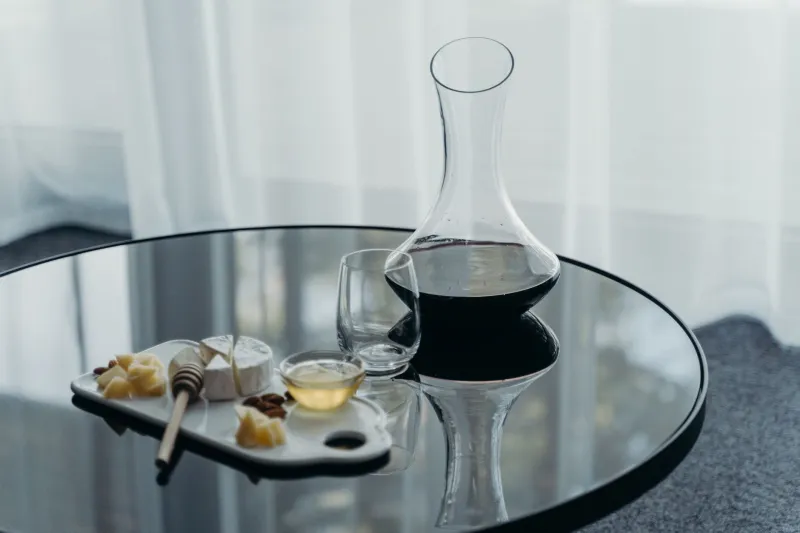
At its simplest, decanting means moving wine from its bottle into another vessel. You might do it to leave sediment behind, or to give a young wine a bit of room to open up. That is it. You do not need a special funnel, a candle or a decanter with a name. A clean jug, a steady hand and a decent light will get you most of the way there.
The useful bit is oxygen. A wine that has been cooped up in bottle can smell tight or shy when first poured. Giving it a wider surface area to meet the air often softens the edges and lets the fruit come forward. But more air is not automatically better. Think of it like letting a guest settle in by the fire: a few minutes can help; half an hour of being fussed over can wear anyone out.
The Myths We Are Happy to Leave Behind
Myth one: every red needs decanting. Not so. Plenty of everyday reds are perfectly happy straight from the bottle. A light, juicy Beaujolais or a soft, fruity red for a Tuesday supper can lose a bit of its bounce if left sitting in a jug for too long. If it tastes good on opening, leave it alone.
Myth two: you need expensive kit. A decent jug is fine. So is a large glass measuring jug, a clean teapot with no tea in it, or the carafe that came with the kitchen scales. The point is surface area and a clean vessel, not the price tag.
Myth three: old wine always benefits. Handle with care. A delicate older red may have spent years getting itself together, and a sudden blast of air can knock the stuffing out of it. If a bottle is properly mature, pour it gently and drink it soon. Sediment is a reason to decant; excitement is not.
Myth four: white wine never gets decanted. Mostly it does not need it, but a rich, broad white that smells a bit closed can benefit from a short spell in a jug. Equally, a simple aromatic white or anything sparkling is better left in the bottle. Fizz and air are not natural allies.
Which Everyday Bottles Genuinely Benefit
Young, sturdy reds are the obvious candidates. Think Cabernet Sauvignon, Syrah, Malbec, or a young Bordeaux-style blend with a bit of grip. If the first glass feels tannic and closed, a spell in a jug can soften the edges. The same goes for some young Portuguese reds and budget-friendly Spanish reds that taste a bit grumpy on opening.
Some fuller whites can also perk up. An oaked Chardonnay or a rich white Rhône-style bottle that smells tight can open nicely after fifteen or twenty minutes. Keep the time short and taste as you go. If it starts to taste flabby or dull, you have gone too far.
Reds with sediment are another clear case. A mature red or a vintage port may throw a deposit, and nobody wants that in the last glass. Stand the bottle upright for a day if you can, then pour slowly and stop when you see the gritty bits arrive. A torch or a phone light under the bottle helps.
What Is Better Left Alone
Delicate older reds, light-bodied reds, most aromatic whites, and anything sparkling are generally happier with a gentle pour and no fuss. A crisp white for the fridge door does not need to meet a jug. A fragrant Riesling or Sauvignon Blanc can lose its lift. And a very old wine may have only a short window once opened, so do not give it extra homework.
There is also a practical point about temperature. A red that has been sitting by the radiator does not need decanting; it needs ten minutes in a cooler spot. A white that is too cold will taste of very little, so let it warm slightly in the glass. Decanting cannot fix a serving temperature that is badly off.
A Simple Bar-Side Test Before Christmas 2026
If you want to know whether a bottle benefits from air, try this at home before the festive season gets busy. Open the wine and pour a glass. Cover it or leave it, but do not drink it yet. Pour a second glass and leave that one alone. After twenty minutes, taste the first glass, then the second. If the first is softer, more open and more pleasant, decanting helps. If the second is fresher and more lively, leave the bottle as it is.
You can run the same test with a jug. Pour half the bottle into a jug, leave both for fifteen minutes, then compare. It is not scientific, but it is useful. Better still, it gives you a decent excuse to open a bottle on a damp November evening and call it research.
The Village-Bar Way
Our advice is simple: decant when there is a reason. Use a clean jug. Give young, tannic reds a short spell of air. Leave delicate bottles alone. Keep an eye on temperature. And do not let anyone tell you that good wine needs a crystal decanter and a performance. A relaxed glass, a plate of something nice and a bit of good company down the lane will do far more for the evening than a silver funnel ever will.