Bring a Bottle, Bring a Neighbour: The Village Hall Wine Night That Actually Works
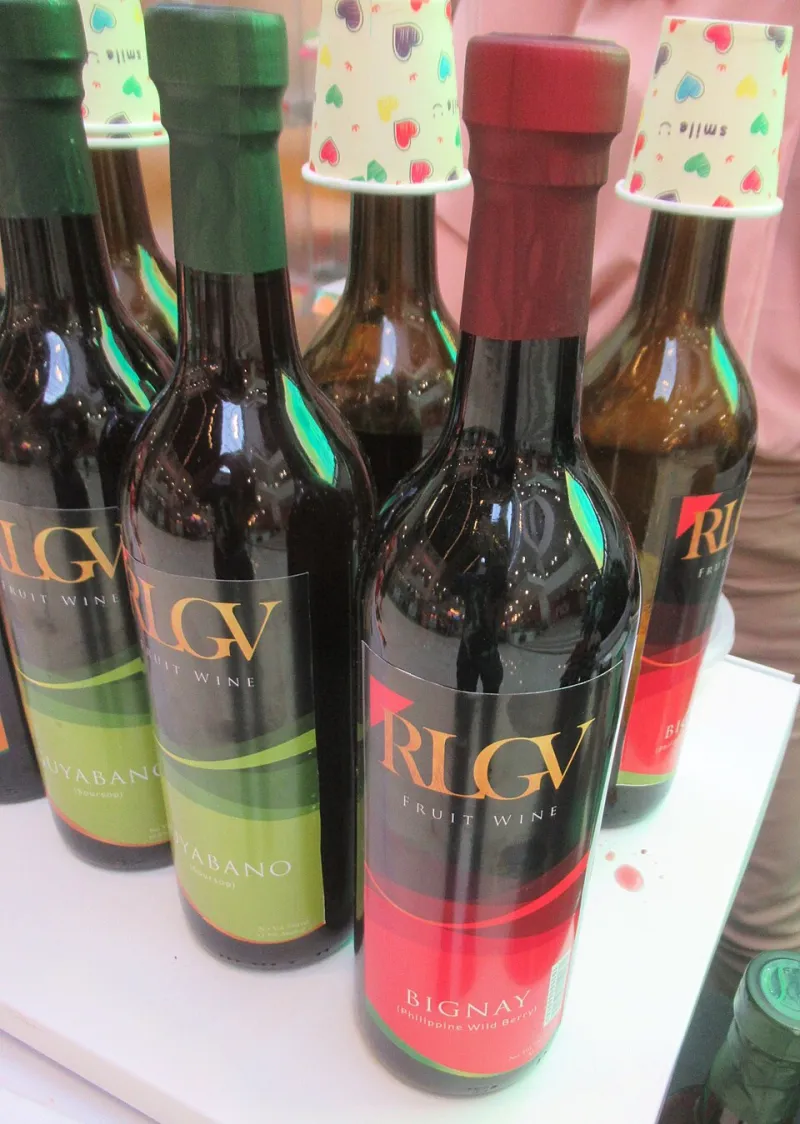
Photo: Unknown, CC BY-SA 4.0, via Wikimedia Commons
There is a particular smell to a village hall in November: floor polish, instant coffee and the ghost of a hundred bring-and-share suppers. It is not, on the face of it, the natural home of a wine tasting. But get it right and that is exactly what makes it work. No velvet rope, no swirling competition, no one droning on about terroir while the crisps go soft. Just neighbours, a few bottles and a table long enough for everyone to find a seat.
Start with a reason, not a lecture
The theme matters less than the invitation. You want a hook that gives people permission to be curious without making them feel they need homework. Six bottles under £12 is a good start. So is three grapes, one village, or a short trip round the Loire. You could try what grows together goes together and build a table around cheese, bread and pickles. Keep the line-up to six wines, eight at a push if the pours are small. Pick one familiar bottle and one surprise. The point is not to prove how much you know. It is to get people talking.
If you want a title for the evening, make it plain: A Winter Warmers Tasting. A Bring-a-Bottle Night. A Very Informal Look at Sherry. Avoid anything with the word masterclass in it unless you are prepared for people to behave accordingly.
The guest list is the real flight
Invite the people who use the hall, the shop and the pub. Invite the couple who always bring good cheese, the neighbour who says they do not know anything about wine, and the friend who does know a bit but is happy to keep quiet. A village tasting works best when it feels like a supper rather than a club.
Make room for non-drinkers too, and not as an afterthought in a plastic cup. Put a jug of something good on the table — elderflower pressé, a proper cordial, sparkling water with a slice of orange, a pot of tea for the back row. If you are tasting in flights, give the non-drinkers their own flight. Nobody should be left holding a glass of water while everyone else compares notes.
Conversation prompts help more than tasting sheets. Would you buy this again? What food would you reach for? Does it remind you of anything? A simple show of hands — love, like, not for me — is often enough. Scoring out of twenty can turn a pleasant evening into a maths exam.
Borrow, don't buy too much
Glasses are the great obstacle. Ask the pub, the bar, a local caterer or the community group that runs the summer fete. Identical glasses are lovely but not essential. What matters is that they are clean and there are enough of them. The village hall kitchen will provide the urn and a slightly mysterious teatowel. You provide the rest: water jugs, a discreet spittoon or two, bottle openers, napkins, labels, pens, ice buckets and a bin for the corks.
Do not overcomplicate the kit. A roll of masking tape and a marker will label glasses better than anything fancier. A folding table at the side for bottles keeps the main table clear. If the hall has a hatch, use it. If it has a stage, resist the urge to stand on it.
Food that keeps people talking
This is not a dinner and it is not a wine-matching masterclass. It is a table of things that make people stay a bit longer. Bread, cheese, pickles, olives, a ham, crisps in a bowl. In winter, a pot of soup and a tray of sausages will do more for the evening than a complicated canapé. Ask people to bring a plate if you want to share the load, but be specific: bread, cheese, something pickled. Vague requests produce four tubs of hummus and no knives.
The pairing does not need to be perfect. It needs to keep people at the table. A sharp cheese will make a white taste rounder. A salty crisp will make a red feel friendlier. A slice of apple will do something surprising to a dry sherry. Let people notice it themselves.
The running order: 90 minutes, not a seminar
Doors at seven, first pour at half past. Welcome everyone, explain the shape of the evening and pour small. Taste one, talk, taste the next. Two minutes per bottle is plenty. The host should ask questions rather than deliver a lecture. If you have a local wine shop or a knowledgeable neighbour, ask them to introduce a bottle or two, then hand the conversation back to the room.
Blind tasting can be fun, but it is not compulsory. If you do it, keep it light and reveal the bottles as you go. Leave a pause halfway through for the loo, the raffle and the refill. Aim to finish by nine. People can stay and chat, and the hall can be tidied without anyone feeling chucked out.
Money, mess and the quiet bits
Ticket price should cover the wine, the food and a little for the hall fund. Somewhere around £12 to £15 is usually about right for a village night, depending on what you are pouring. Buy from the local shop or the bar if you can, and ask about sale or return. Any leftover bottles can be raffled at the end. Wash borrowed glasses and return them in the box they came in.
And leave a quiet corner. Not everyone wants to talk to a stranger about acidity. Some people come for the company, some come for the cheese, and some come because their neighbour asked them. All of those are good reasons.
A tasting is a village thing
Done well, a village hall tasting is not really about wine at all. It is about the person two doors down who you have nodded to for years and finally properly met over a glass of something white. It is about the teenager helping with the water jugs, the retired teacher doing the raffle, the dog asleep under the table. The best line you can hear at the end is not I loved the Cabernet Franc. It is same time next month?