Crackling, Gravy and a Chilled Glass: Rethinking White Wine for Sunday Lunch
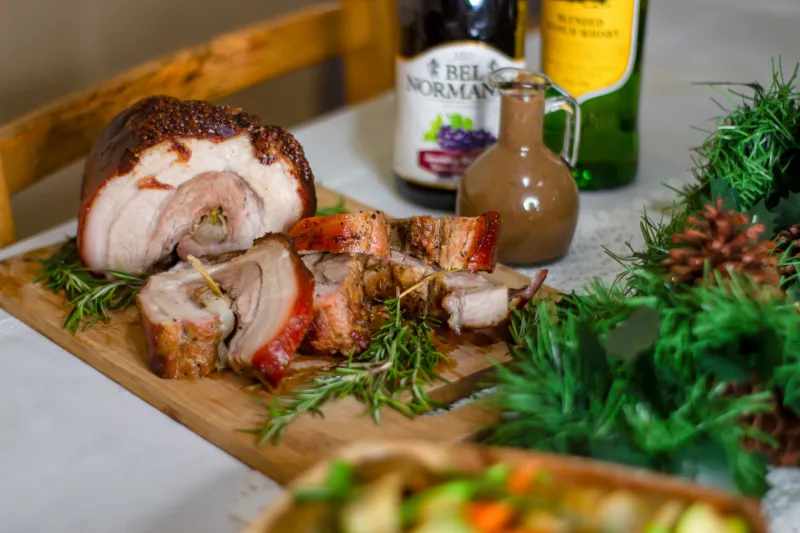
Sunday lunch at the village wine bar has a rhythm of its own. By half past twelve the first dogs are asleep under the bench, the kitchen is sending out the smell of rosemary and hot fat, and someone is always asking whether we have a nice red open. Usually we do. But this is the point in the year when the light turns tinny at four o’clock and the wind comes up the lane, and the assumption that winter food demands a big, dark red deserves a gentle challenge.
White wine can hold its own beside a roast. Not a fragile, ice-cold glass of something thin, but whites with texture, a bit of grip and enough acidity to cut through gravy and crackling. Here are three bottles we keep coming back to, all available in the UK, plus a route in for anyone who normally orders the Malbec without reading the list.
The case for a colder glass
A roast is a moving target. One week it is chicken with lemon and thyme; the next it is pork with apples and a sheet of crackling that shatters like January ice. Root vegetables bring sweetness, gravy brings salt and fat, and stuffing brings herbs. A heavy red can feel like a blanket over all that. A white with body works more like a window: it lets the food breathe.
This is not an argument against red wine. It is an argument against habit. The best Sunday lunches at the bar are the ones where the table orders across the list — a bottle of red, a bottle of white, and a certain amount of reaching across each other’s plates. The white is not the compromise. It is often the bottle that goes first.
Three bottles for the Sunday table
Chenin Blanc: the all-rounder with a savoury edge
Look to the Loire for dry Vouvray or Savennières, or to South Africa’s Swartland for old-vine Chenin with a little more weight. Expect quince, bruised apple, a dab of honey that stays dry, and a waxy, saline finish. Good examples sit around £13–£22; a smart Loire sec at about £15 and a serious Swartland old-vine at £18–£25 are both fair money.
At the table, Chenin is the quiet fixer. Its acidity lifts roast chicken and sage stuffing, while its texture flatters parsnips and carrots. If you are carving pork, a slightly richer Chenin handles the crackling without fighting it.
Viognier: the generous one
Viognier has a reputation for being a bit of a show-off, all apricot, peach and honeysuckle, sometimes with a nip of ginger. It can be low in acidity, so choose carefully: a Languedoc or Pays d’Oc bottle at £12–£20 is usually better value than a famous name from Condrieu. Around £15–£18 tends to be the sweet spot.
This is the white for crackling. The perfume and oiliness of Viognier meet salty, fatty pork and make it taste more like itself. It also works with roast chicken, especially if there is garlic involved, and with carrots that have caught a bit of caramel at the edges. Serve it cool but not cold — about 10–12°C — or the perfume shuts down.
A textured white Rhône: the red drinker’s white
White Châteauneuf-du-Pape, Lirac, or a Clairette, Roussanne and Marsanne blend from the wider Rhône can be broad, waxy and gently smoky, with baked pear, fennel and almond notes. Expect £18–£30 for something worthwhile. It is not a delicate wine; it is a white with shoulders.
That makes it a natural beside roast pork or chicken with garlic and herbs. The savoury weight mirrors the way a red Rhône would behave, but the acidity keeps the gravy from becoming too much. If someone at the table insists that white wine is ‘not a proper drink’, this is the bottle to pour them blind.
A route in for the red faithful
If you usually drink oaked Chardonnay, start with Viognier — it has the same generous texture but a different aromatic gear. If dry Riesling is your thing, Chenin Blanc will feel familiar: high acidity, savoury length, a touch of honey. If you love Côtes du Rhône red, try a white Rhône and watch the same savoury, peppery character appear in a different colour. And if you are devoted to crisp Sauvignon Blanc, begin with a young Loire Chenin rather than a rich South African example; it will be leaner and more citrus-led.
Temperature, glassware and the gravy problem
The commonest mistake with winter whites is serving them too cold. Straight from the fridge, a good Chenin or white Rhône tastes like nothing much. Take the bottle out twenty minutes before lunch, or cradle it in your hands for a bit. Use a proper wine glass rather than a tiny tumbler; you want to smell the thing.
And do not save the white for the starter. Pour it with the main course and let it argue its case. If the gravy is thick and the crackling is crisp, a white with acidity is not a compromise; it is the point.
At the village wine bar, we will still open plenty of red this winter. But we will keep a white on the go beside it. Sunday lunch is better when the table has both.