A Glass of Something Dry: Why Fino Belongs in the Village Bar’s Chill Cabinet

Photo: chilled fino sherry in a small wine glass with olives and almonds on a village bar counter, via img.freepik.com
Somewhere in the back of a village bar, behind the umbrellas and the half-full bottle of sloe gin, there is probably a bottle of sherry. It comes out in December, gets a small glass, and disappears again. That is a shame. Fino and manzanilla are not Christmas decorations. They are some of the most useful, food-friendly, unpretentious drinks a bar can pour — especially at five o’clock on a Tuesday, when the evening is still deciding what it wants to be.
It is not the sherry you think it is
Say sherry and people picture something sweet, dark and sticky, probably in a tiny glass beside a plate of mince pies. Fino is the opposite. It is pale, bone dry, savoury and faintly salty. Manzanilla is its coastal cousin, made in Sanlúcar de Barrameda, and it has an even brinier edge. Both are fortified, yes, but they drink like a crisp white wine that has been for a walk along the seafront.
That salty, almond-and-olive character comes partly from flor, a layer of yeast that grows on the surface of the wine as it ages. It protects the wine from oxygen and gives fino its particular tang. You do not need to know the science to enjoy it. You just need to know that it should be cold, fresh and poured with a bit of generosity.
Why it fits a village bar better than another big red
Village bars are not city wine bars. People come in for one before dinner, after a walk, while waiting for a lift or because the rain has started. A big red is lovely, but it can feel like a commitment. Fino is bright, low-fuss and appetite-whetting. It is a drink that says one more conversation before you go home rather than settle in for the night.
It also gives a short drinks list some character. Anyone can stock a Sauvignon Blanc and a Malbec. A village bar that keeps a chilled fino behind the counter is telling you something about itself: that it is curious, that it likes a proper aperitif, and that it understands a glass of something dry and savoury can be more refreshing than another pint of something heavy.
The alcohol is not low — fino is usually around 15% — but the pour is small and the effect is civilised. A 75ml glass before supper is one of the great small pleasures. It wakes up the appetite without filling you up.
The chill cabinet question
Fino is fragile once open. It oxidises, goes flat and loses its snap. That is the usual reason bars give for not stocking it. But it is not a reason to avoid it altogether. Keep it in the fridge, use a small bottle or a gas blanket, and sell it by the glass with a bit of turnover. A village bar can do this if it treats fino as a house pour rather than a museum piece. Put a 37.5cl bottle in the chill cabinet and write it on the board. If the bar has a handpull and a pot of olives, it can manage a bottle of fino.
How to serve it without a masterclass
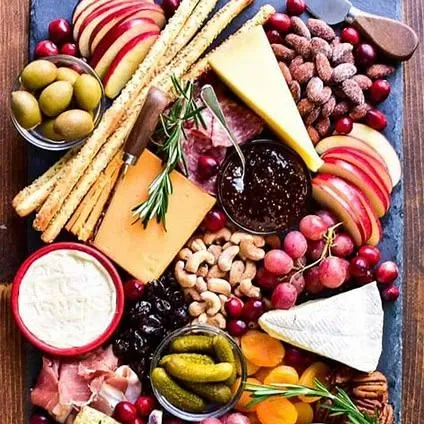
Chill it properly. Fridge cold, not ice-cold, and not at room temperature because someone left it by the till. Use a small wine glass or a copita. Pour 75ml to 100ml. No lemon, no ice, no tiny schooner. A bowl of almonds, olives, salted crisps or anchovy toast on the side is the whole ceremony. If you have jamón, great. If not, do not panic. The point is salt, fat and savoury.
A fino served too warm tastes flabby and dull. A fino served too cold tastes of very little. The sweet spot is a fridge that has been doing its job, a glass that has had a moment to lose its chill, and a bar snack within reach.
What to eat from the village shop
You do not need a tapas menu. Bread, cheese, tinned fish, olives, crisps, pickled onions, a bag of almonds. If the bar does hot food, salty fried things are the dream: croquettes, patatas bravas, fried whitebait, chips. A bowl of soup is probably not the answer. The rule is simple: if it tastes of the sea or the olive grove, fino will meet it halfway.
At home, the same applies. A plate of anchovies and buttered toast. A lump of manchego and a few olives. A bag of good crisps and a cold glass. This is not complicated food. It is food that makes you want another sip.
The chat
People will ask if it is sweet. Tell them no. They will ask if it is like the sherry their nan drank. Tell them probably not. Explain flor simply: a layer of yeast that keeps the wine fresh and gives it that saline tang. Do not overdo the history. The best description is the one that gets someone to try a glass: it is dry, cold and a bit savoury, like a crisp white wine that has been to the seaside.
Put it on the list
Not in a dusty bottle at the back. On the list, in the fridge, with a line that tells people what they are getting. Fino, Jerez — dry, salty, almonds. 75ml, £3.50. Or simply: Fino — cold, dry, excellent with olives. Train the staff to offer it when someone asks for something different. Keep a manzanilla too if you can. This is not about being trendy. It is about giving villagers a proper early-evening drink.
The bottle behind the bar should not be waiting for Christmas. It should be waiting for five o’clock.