When the Takeaway App Blinks: A Wine-Bar Supper From the Cupboard
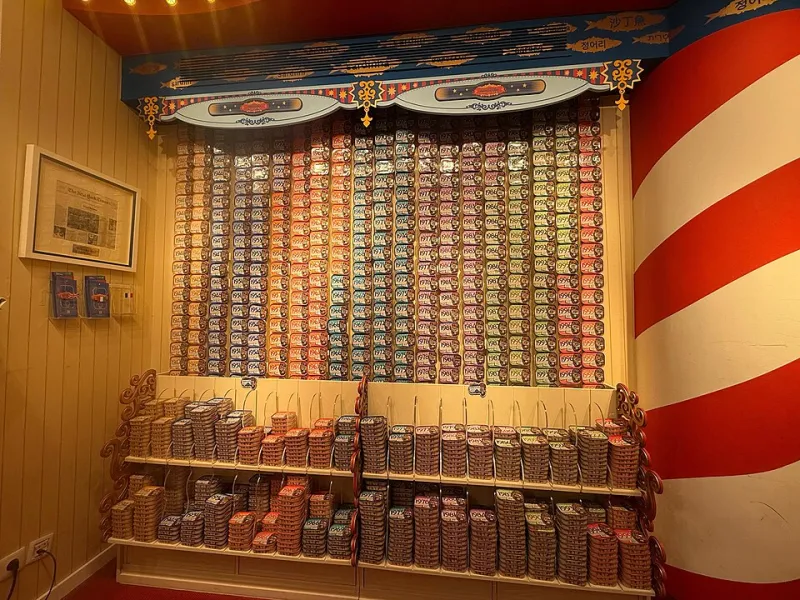
Photo: Tochiprecious, CC BY-SA 4.0, via Wikimedia Commons
The app is blinking. The cupboard is listening.
There is a particular kind of November Tuesday. The rain is doing that fine, persistent thing against the window. Someone has left a half-lemon in the fridge and a bag of crisps in the cupboard. The takeaway app is open, blinking at you with a delivery estimate that feels less like convenience and more like a small defeat.
At the village wine bar, we do not pretend this is a night for a three-course menu. It is a night for a shelf. A tin or two, a jar, a decent loaf, something cold in a glass. The point is not to cook a restaurant meal at home. The point is to make an ordinary evening feel like a night down the lane—without waiting forty-five minutes for a bag of lukewarm noodles.
The pantry shelf that earns its keep
A wine-bar larder is not a shopping list. It is a habit. Keep a few things in and you are always twenty minutes from something worth sitting down to.
Start with tins. Sardines in olive oil, mackerel, anchovies, good tuna. Add a jar of white beans—butter beans or cannellini—and a jar of olives. Cornichons or capers if you like a sharp edge. A bag of decent salt-and-vinegar crisps is a legitimate ingredient, not a guilty secret. Good olive oil, a vinegar you actually like, flaky salt, chilli flakes, smoked paprika. Garlic. A lemon, though the lemon is not the whole story. And bread. Proper bread, the kind that makes toast worth the effort.
That is the shelf. It does not need to be fancy. It needs to be there.
Three plates, no performance
1. The ten-minute toast
Thick slices of bread, toasted until they can take a little weight. Rub the hot toast with a cut garlic clove. Lay over tinned sardines or mackerel, spoon over a little olive oil, add lemon zest and flaky salt. A pinch of chilli if the evening needs it. This is the plate that answers the takeaway app fastest.
To drink: a dry, saline white. Picpoul de Pinet or Muscadet Sèvre-et-Maine. Serve it properly cold, but not so cold it tastes of nothing. The point is the clean, salty snap against the oily fish.
2. The bean bowl that is not a salad
Drain a jar of white beans. Dress them while you are still in your coat—olive oil, a splash of sherry vinegar, thin slices of red onion, plenty of black pepper. Add tuna or a couple of anchovies and some parsley if there is any. Let it sit for ten minutes while you open the wine. It is not a salad. It is a bowl of something good with bread beside it.
To drink: a textured white with a bit of stone fruit. Godello is a good shout, or an Albariño if that is what the shop had. It has enough weight for the beans and enough freshness for the fish.
3. The crisp-and-olive board
This is the first thing on the table and the last thing to disappear. Crisps in a bowl. Olives in another. Cornichons. Maybe a hunk of cheese if there is one. The rule is simple: put it out before you start anything else. It buys you time and makes the whole evening feel intentional, even if you are still in your socks.
To drink: a chilled light red. Beaujolais-Villages, slightly cool, or a pale dry rosé. Both work with the salt and the brine. Neither asks you to take anything too seriously.
Four bottles for the shelf
You do not need a cellar for this. Four styles will cover the plates and give you something to reach for on the next wet Tuesday.
Picpoul de Pinet. Lemon, green apple, a saline finish. It is the bottle for tinned fish and anything with lemon zest. Keep it in the door of the fridge.
Godello. More texture than you expect, with stone fruit and a clean finish. Good with beans, tuna and a generous glug of olive oil.
Beaujolais-Villages. Chill it for twenty minutes. It is light, juicy and happy with crisps, olives and a plate of sardines. It does not need a special occasion.
A dry rosé. Pale, crisp, not sweet. This is the bottle for the crisp-and-olive board, for the neighbour who knocks, for the second glass that turns a Tuesday into something better.
If you are buying from a wine bar or a good independent, ask for the style rather than the label. Saline white. Textured white. Chilled light red. Dry rosé. That is enough to get you home.
The order of operations
Open the wine first. Put the bread on. Open the tins. Put the crisps and olives out. Dress the beans. Toast the bread. None of it needs a timer. None of it needs a recipe. If someone knocks, add a bowl. If no one knocks, the shelf still works.
The village wine bar is not really about the chalkboard or the corkscrew. It is about the habit of making room for a proper pause. A tin, a loaf, a cold glass. The takeaway app can wait.