Six Rounds and a Tie-Breaker: How to Order Wine for Quiz Night
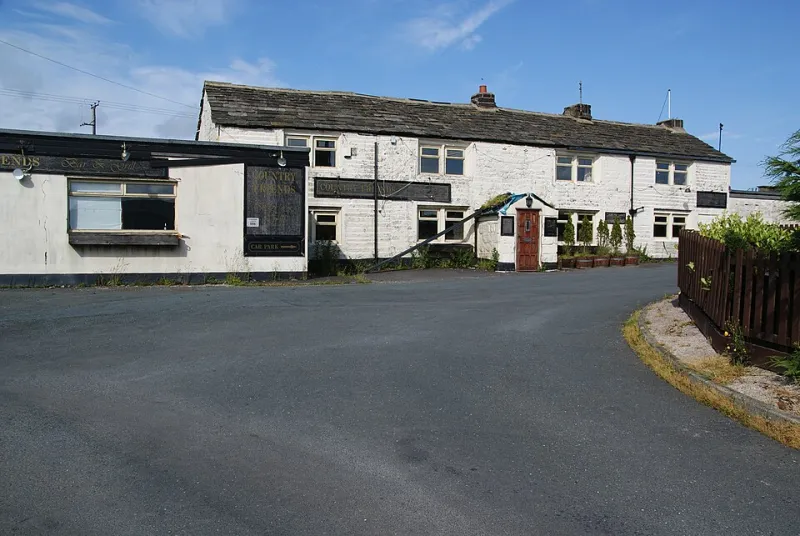
Photo: Bill Boaden , CC BY-SA 2.0, via Wikimedia Commons
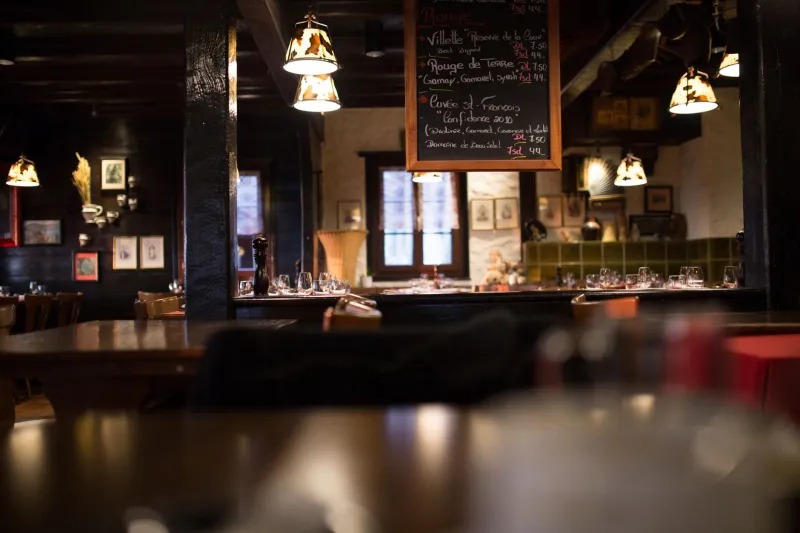
There is a particular sort of silence in a village bar at ten past eight on a Tuesday. Not the awkward kind. The thinking kind. Twenty-odd people staring at a sheet of paper, one person writing, everyone else contributing absolutely nothing until question four. And somewhere in the middle of it, a bottle doing quiet, unglamorous work.
Quiz night has become the new local ritual. Not a revival, exactly — more a return. In 2026 the pub quiz is doing what it has always done best: giving people a reason to be in the same room on a night that isn't Friday. But the drinks side of it is usually an afterthought. Someone grabs the cheapest red, someone else orders a pint, and by round five half the table has a headache and nobody can remember who the Tudor monarch was.
So here's a plan. Not a rulebook. A plan.
Start With Something You Don't Have to Think About
The first bottle of a quiz night should ask nothing of you. It is not the moment for the natural wine with the interesting cloudiness, or the Portuguese red that needs an hour in a decanter and a small lecture to explain itself.
Pick a red that behaves. Something with soft tannins, moderate alcohol — a Malbec from Cahors rather than Mendoza if you want a bit of bite, a Beaujolais-Villages if you want something that slips down between rounds, a decent Spanish Garnacha if the table is undecided. These wines are forgiving. They don't fight the crisps, they don't fight the conversation, and they don't require a tasting note halfway through the music round.
Order two of them at the start. This is the single most useful piece of advice in this article. The worst thing you can be at 8.45pm, with a tie-breaker looming, is empty and waiting for someone to catch the eye of a busy bar.
The Mixed Table Problem
A quiz team is rarely made entirely of red drinkers. There will be one person who drinks only white, one who has given up alcohol for the month and would like something nice anyway, and one who will announce at round three that they could murder a pint.
Don't fight it. Order the middle ground and let people move outwards. A bottle of dry, unoaked white — Picpoul, a Muscadet, a decent Albariño — covers the crisp-drinker and the fish-and-chips-refuser and even does reasonable work with a bowl of chips at half time. A chilled bottle of something pink, dry and pale does the same job but gets fewer questions.
If your bar does a low-alcohol or alcohol-free pour worth the name, put one on the tab. Not as a gesture. As a bottle. A team member on a soft drink shouldn't be drinking lime and soda for two hours while the rest of you argue about counties.
Palate Fatigue Is Real, and It Arrives Around Round Four
This is the thing nobody warns you about. Wine isn't tiring because it's strong. It's tiring because your palate does what a palate does — it dulls. The third glass doesn't taste like the first. You stop noticing the fruit, the finish, the point of it at all, and you start noticing that you'd quite like a glass of water.
Three things help.
First, keep the water jug moving. Ask for it when you order the wine; ask again when the sheets come back. It's not a virtue signal, it's what allows you to taste glass five at all.
Second, alternate. If the table has a red and a white, switch between them. Variety keeps the palate awake far better than a fourth glass of the same thing.
Third, don't be afraid of a carafe. Village bars that pour by the carafe are doing the table a favour — you get enough wine to see you through a round without committing to a full bottle of something nobody's sure about.
The Tie-Breaker Glass
Now the good bit. Somewhere around round six, if the quiz is well written, there's a written tie-breaker: the year of a treaty, the population of a market town, the number of something in a cathedral. And suddenly everyone needs to be sharp.
This is where a crisp white earns its place. Not because white makes you clever — nothing does — but because a small, cold, dry glass at the end does something a heavy red can't. It resets the mouth. It feels like a decision rather than a continuation.
So keep a little budget back. A glass of Chablis, a dry Riesling, a Picpoul if you've been sensible about the rest — something with acidity and a clean finish. It's the closest a wine bar gets to a palate cleanser, and it's worth thirty seconds of thought before you hand the sheet in.
The Bill, and the Bit Nobody Wants to Talk About
Six people, three bottles, a couple of soft drinks, some chips. That's a comfortable night. Six people, six bottles, and a round of pudding wine because somebody got overexcited — that's a different evening and a different conversation.
Work out roughly what each person is happy to put in before you order. Not quite a whip-round at the door, but close. Order to that number. A shared bottle list at a modest price is a far better night than a sprawling one you spend the last round feeling uneasy about.
And it's worth saying out loud: a village bar's wine list should be built for this. Not for a critic. For a table of neighbours answering questions about rivers.
Why It Works Here
There's a reason quiz nights fill the room in a way that a tasting rarely does. A tasting asks you to be interested in the wine. A quiz asks you to be interested in each other, and lets the wine be part of the furniture. That's a much easier ask on a wet Tuesday in November.
Which is, quietly, the whole point of a place like this. Not a lecture, not a wine list to be admired from a distance, but a table with a bottle on it and six people leaning in. Bring a team, order sensibly, keep the water coming, and save something crisp for the tie-breaker.
See you Tuesday.